
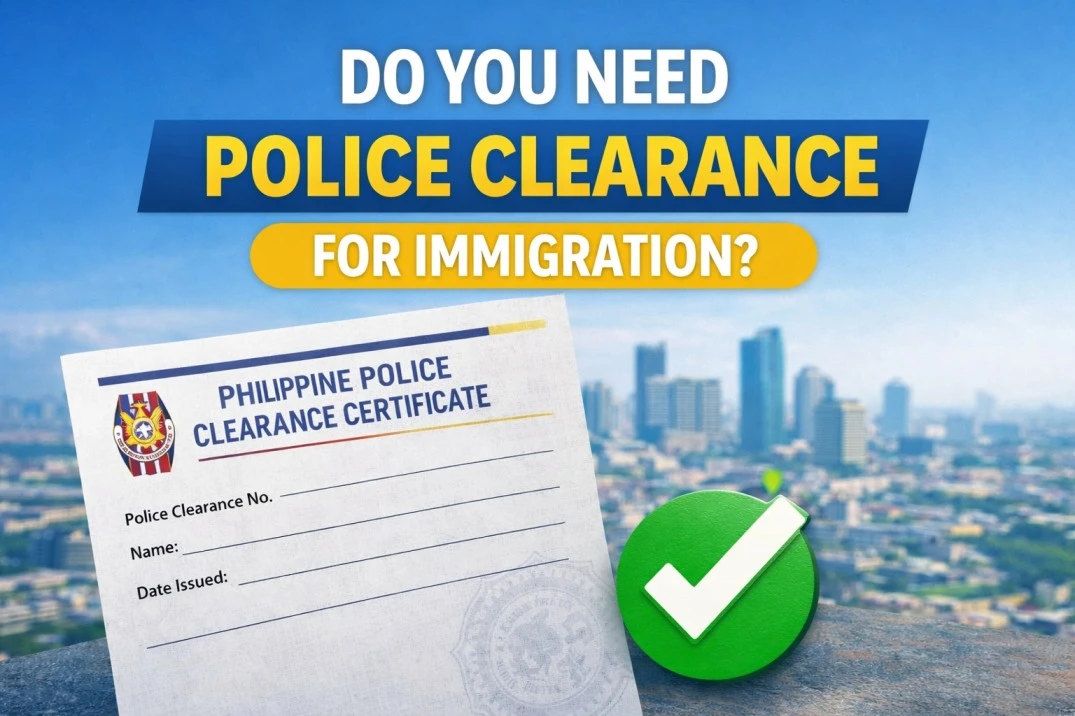
Moving abroad often requires proof that you have no criminal record. Immigration authorities use police clearance to check your background before approving visas or residency. Countries request this document to confirm good conduct and protect public safety. Without it, applications may be delayed or refused.
This guide explains the importance of police clearance for immigration, when it is required, and how it affects your approval process.
What Police Clearance for Immigration Means?
For immigration purposes, police clearance is not just proof of identity. It serves as proof of good conduct based on police records in your home country. Immigration officers use it during visa risk assessment to determine if an applicant may pose legal or safety concerns. The document helps authorities determine whether a person can legally enter or remain in the country.
This is different from regular job use. Employers often request it for basic screening, while immigration authorities rely on it as part of a formal background evaluation before granting visas or residency.
Why Immigration Authorities Require Police Clearance
Immigration offices review police clearance to understand an applicant’s legal background before granting entry or residency.
Security screening
Authorities check if the applicant appears in police records linked to criminal activity or public safety concerns.
Character verification
The document helps confirm good conduct and supports trust in the applicant’s behavior history.
Fraud prevention
Matching identity details with official records reduces the risk of false identity or misrepresentation.
Residency eligibility
Many visa categories require proof of a clean record before approval for long-term stay or permanent residency.
When Immigration Asks for Police Clearance
Immigration authorities may request police clearance at different stages of the application process. Providing it at the correct time helps prevent delays.
Visa application stage
Some visa categories require police clearance at the time of initial submission to meet background review requirements.
Embassy interview stage
Applicants are often asked to present a recent police clearance certificate during the interview to verify their identity and record.
Work permit processing
Employers and immigration offices may request it before issuing authorization to work abroad.
Permanent residency approval
Authorities review police clearance again before granting long-term residency status.
Naturalization
Citizenship applications usually require proof of clean records as part of the final eligibility assessment.
Immigration Situations That Require It
Police clearance is commonly required in several immigration applications to verify legal standing before entry or approval.
Work abroad (OFWs)
Foreign employers and immigration offices request it to confirm the applicant has no active police record before employment.
Student visa
Schools and embassies may require police clearance to ensure student applicants meet conduct requirements.
Spouse visa
Family-based immigration often includes background verification to protect the sponsoring resident or citizen.
Long-term stay
Applicants planning extended residence may need to submit a police clearance as part of eligibility checks.
Migration programs
Permanent migration pathways usually require background verification before final approval.
Countries Commonly Requiring Police Clearance
Many immigration programs require police clearance to verify a background before approving entry or a long-term stay. Requirements depend on visa type and length of residence.
Canada
Canada often requires police clearances for work permits, permanent residence, and family sponsorship applications. Applicants must provide clearance from every country where they lived for a significant period.
Australia
Australia requests police clearance for student visas, skilled migration, and partner visas. Immigration officers review character requirements before granting approval.
United States
The United States requires police clearance during immigrant visa processing handled through the embassy. It is usually submitted before or during the visa interview stage.
United Kingdom
The United Kingdom may request police clearance for work visas, healthcare roles, and long-term residence applications. Background checks help confirm suitability for public-facing positions.
European Union countries
Several EU countries request police clearance for residence permits, employment authorization, and family reunification. Specific rules vary by country and visa category.
How Police Clearance Affects Approval Chances
Police clearance plays a direct role in how immigration officers evaluate an application.
Clean record advantage
A clear record supports trust and helps officers proceed with eligibility assessment without additional verification.
Delays if missing
Applications are often placed on hold until the required police clearance is submitted and reviewed.
Rejection scenarios
Serious unresolved records or failure to provide the required documents may result in the refusal of the visa or residency request.
Validity Rules for Immigration Use
Immigration offices usually require a recent police clearance to make sure the background check reflects your current record status.
Why do embassies want a recent copy?
Embassies prefer a newly issued clearance because records can change over time. A recent document confirms there are no new cases after the application.
Expiration problems
Submitting an expired clearance may delay processing or require you to obtain a new one before approval continues.
Re-submission cases
If processing takes several months, immigration officers may request an updated clearance before the final decision.
What Happens If You Have Lived in Multiple Countries
Immigration authorities may require more than one police clearance if you previously stayed abroad.
Multiple clearance requirements
You may need to submit police clearances from each country you have lived in, not just the Philippines.
Residency duration rules
Many immigration programs require clearance from countries where you stayed for several months or longer. Always follow the specific instructions provided by the embassy or immigration office.
What If You Have a Hit or Record
A “hit” means your name matches an entry in a database. It does not always mean you committed a crime.
Verification process
Authorities will review fingerprints and personal details to confirm whether the record truly belongs to you.
Not automatic denial
Many cases are cleared after verification, especially when the match is based only on a similar name.
What should applicants do?
Provide accurate information and follow instructions from the issuing office. Completing verification early helps avoid delays in immigration processing.
How to Prepare Police Clearance Before Applying Abroad
Preparing police clearance in time helps prevent expiration and last-minute delays during immigration processing.
Step 1: Check embassy requirements early
Review the visa checklist from the embassy or immigration office before starting your application.
Step 2: Estimate your application timeline
Identify your expected interview or submission date so you can obtain a recent clearance.
Step 3: Apply close to the submission window
Request police clearance a few weeks before submitting the document to ensure it remains valid during review.
Step 4: Keep digital and printed copies
Store a clear digital copy and a printed version in case the embassy asks for additional copies.
Step 5: Monitor expiration during processing
If the process takes months, prepare to renew the clearance when the embassy requests it.
Common Mistakes That Delay Immigration
Simple mistakes with police clearance can slow down visa or residency processing.
- Wrong timing
Applying too early may cause the clearance to expire before review. - Expired clearance
Submitting an outdated document usually requires reapplication and additional waiting. - Wrong type of clearance
Providing police clearance instead of the required national background check may result in rejection. - Name mismatch
Differences in spelling, middle name, or suffix may trigger verification and extend processing time.
Tips to Avoid Immigration Delays
Use this checklist before submitting your documents:
- Confirm the exact clearance type required by the embassy or immigration office
- Apply close to your submission date so the document remains valid
- Make sure your name matches your passport and other IDs
- Keep both printed and digital copies ready
- Track your application timeline and watch expiration dates
- Prepare to renew the clearance if processing takes several months
Following these steps helps prevent common problems and keeps your application moving.
Conclusion
Police clearance is an important part of immigration screening because it confirms your legal background before your application is approved. Providing the correct, up-to-date document helps immigration officers review your application smoothly.
Always verify the requirements of the country you are applying to and prepare your clearance in time. Applying early and checking details carefully can prevent delays and make the process easier.
FAQs
Is police clearance required for all immigration applications?
Not always. Some short-term visas may not require it, but most long-term stay, work, and residency applications do.
How recent should a police clearance be for immigration?
Embassies usually request a document issued within the last few months before submission.
Do I need police clearance from the other countries I lived in?
Yes, if you stayed in another country for an extended period, immigration authorities may also require clearance from that country.
Can immigration approve my visa without police clearance?
If it is listed as a requirement, approval normally cannot proceed until the document is submitted and reviewed.
Will a name hit automatically deny my application?
No. A hit only triggers verification. Many applicants are cleared after their identities are confirmed.
Should I renew my police clearance while it’s being processed?
If the document expires before the final decision, immigration officers may request a new one before approval.